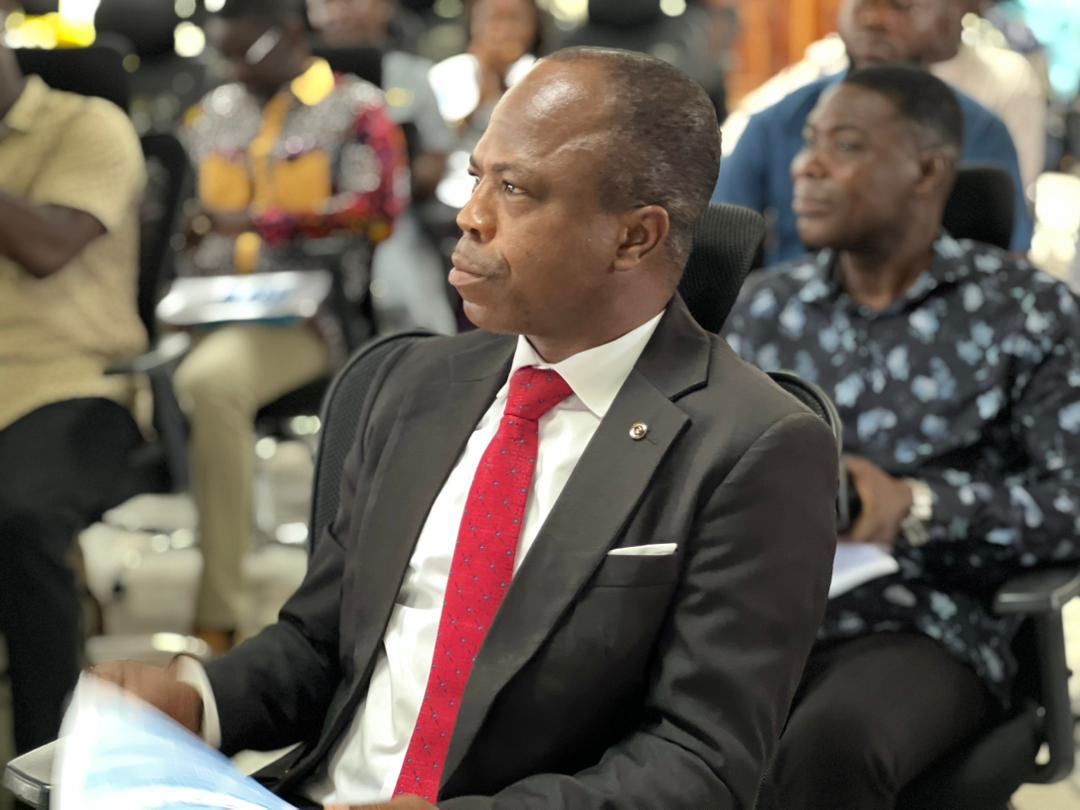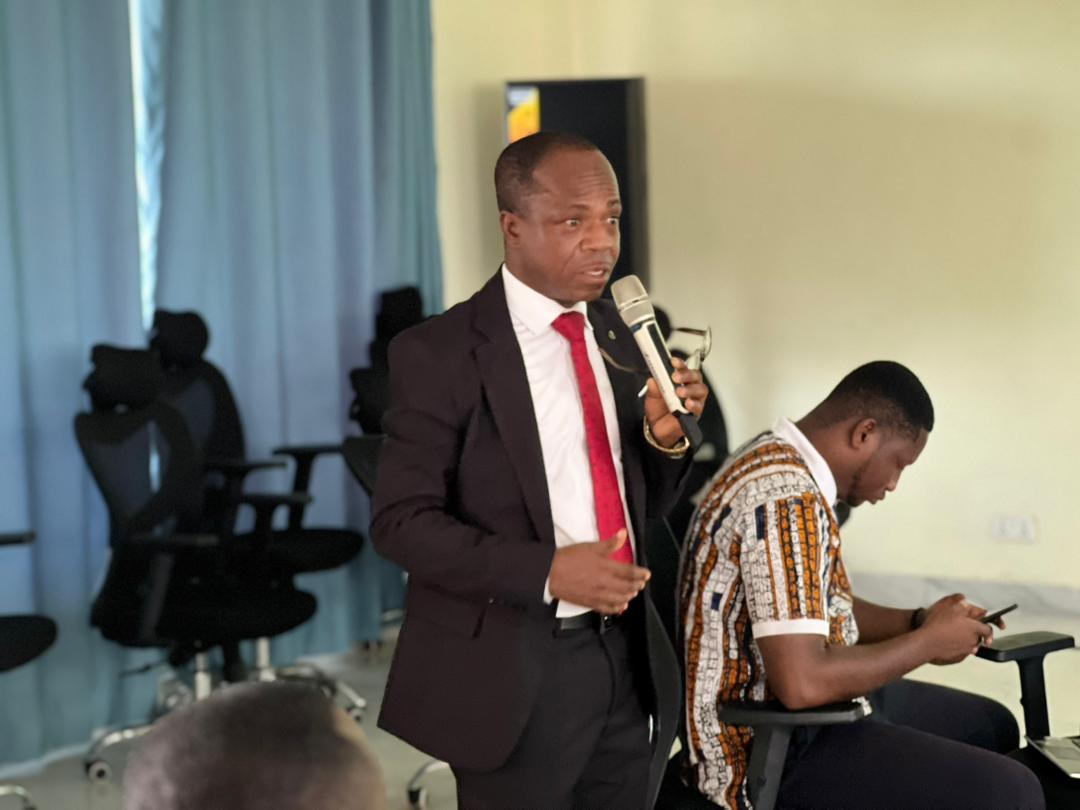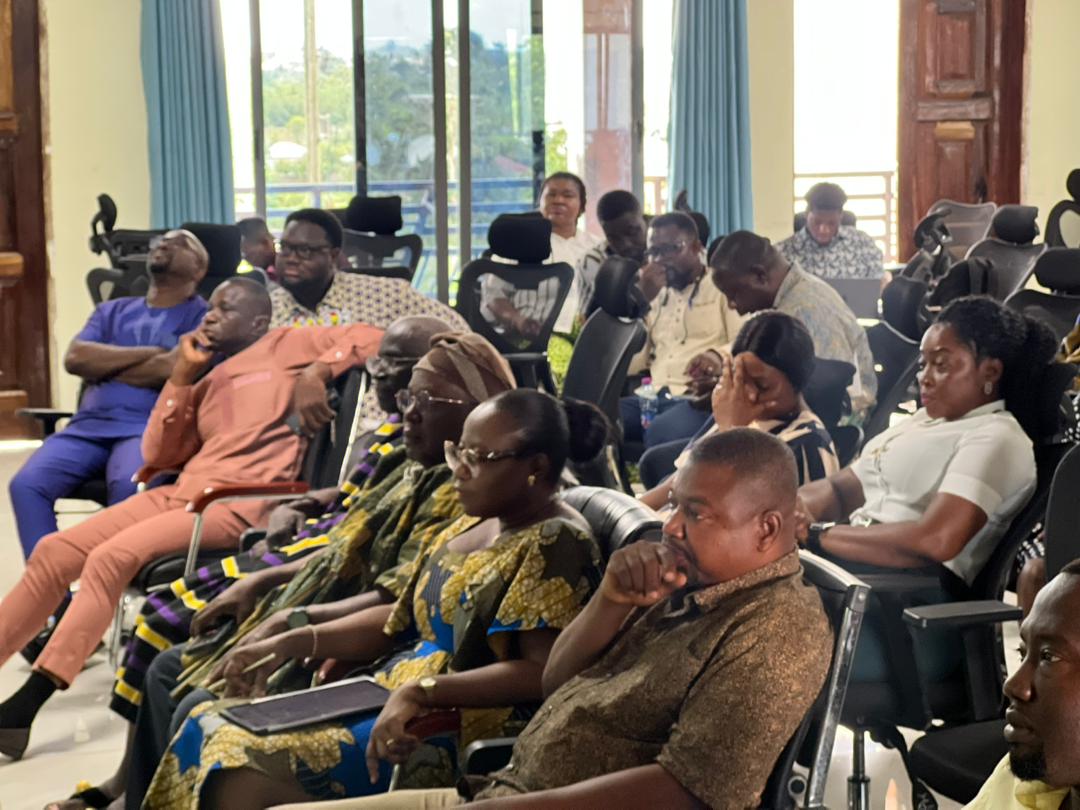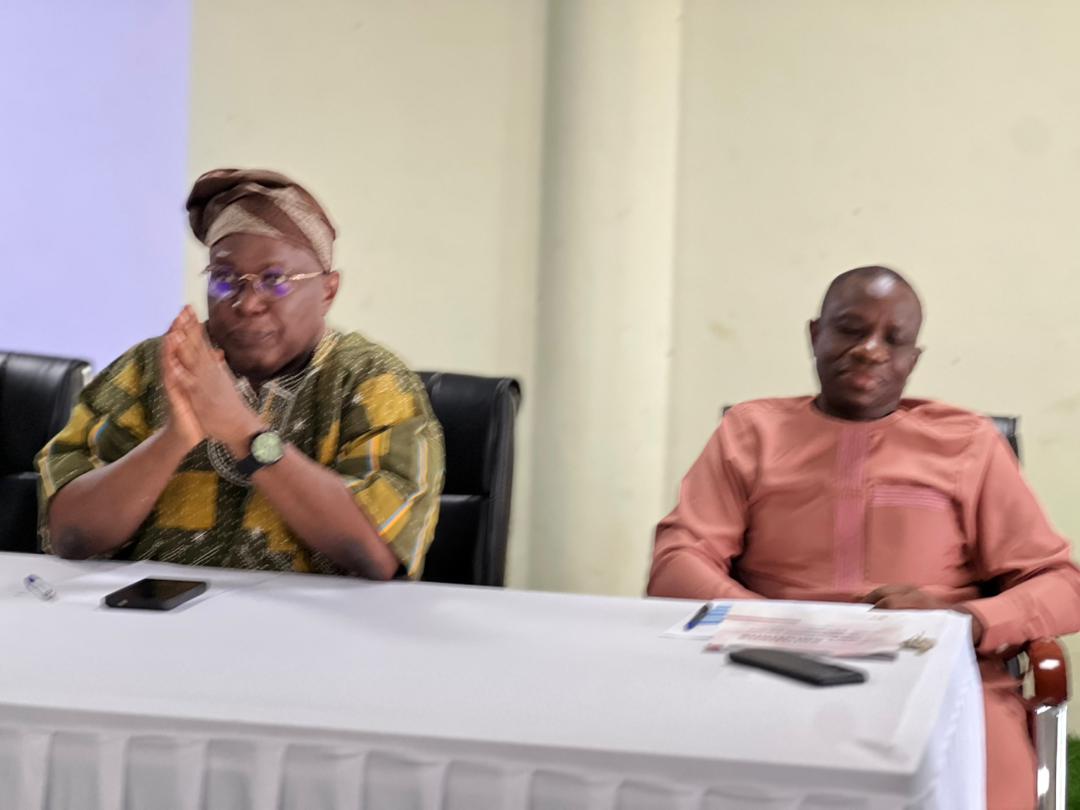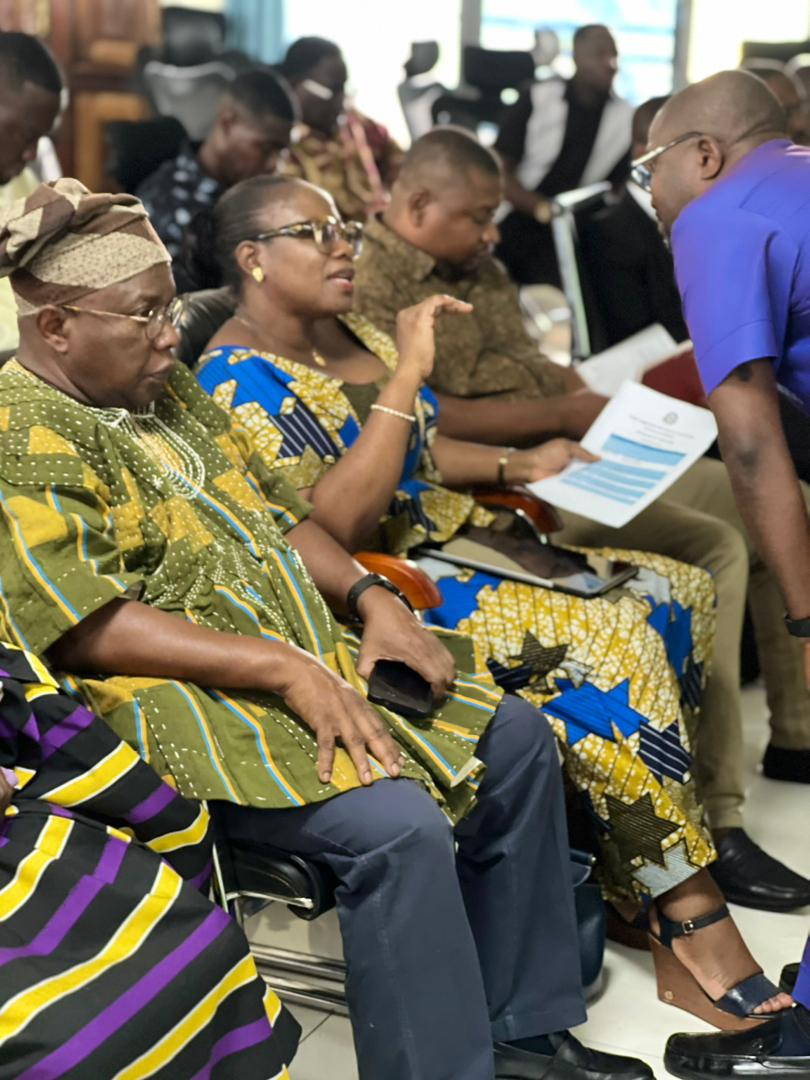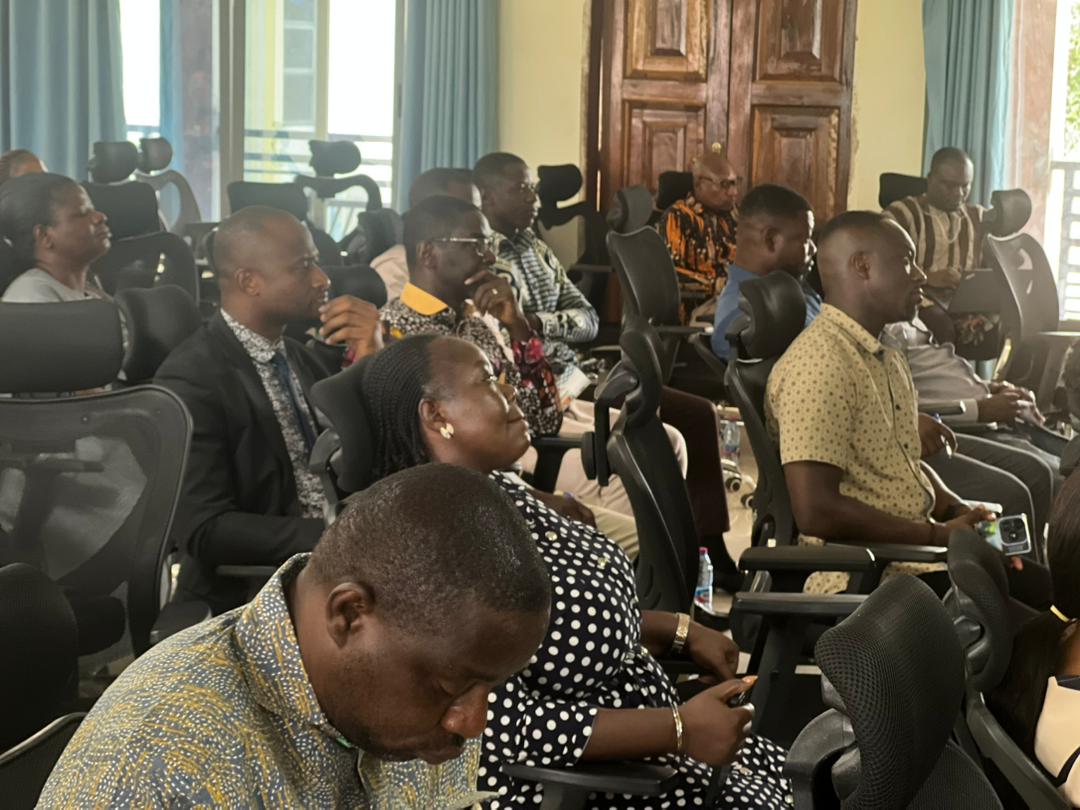
The National Development Planning Commission (NDPC) has held a high-level engagement with the Ahafo Regional Co-ordinating Council (RCC) and the Municipal and District Assemblies (MDAs) in the region to strengthen development planning and improve co-ordination of government programmes. The programme was held on Thursday, 26th March, 2026, at the RCC Conference Hall.
Delivering the welcome address on behalf of the Ahafo Regional Minister, the Regional Co-ordinating Director of the Ahafo Regional Co-ordinating Council, Mr. Joseph Frimpong Naayo, expressed the region’s appreciation to the NDPC for the visit and described the engagement as timely and critical to improving development outcomes in the region. He noted that effective planning remains the backbone of sustainable development and stressed the need for stronger collaboration between the NDPC, RCC and MDAs to ensure that national development policies are translated into tangible results at the local level.
Mr. Naayo highlighted the important role of the Regional Co-ordinating Council in co-ordinating, monitoring, harmonizing and evaluating the performance of the assemblies. He indicated that the RCC remains committed to supporting the Assemblies to strengthen their planning capacity, improve data management and ensure that development projects are aligned with the Medium-Term National Development Policy Framework. He encouraged participants to actively engage in the discussions and emphasized the need for evidence-based planning, strong monitoring and evaluation systems which would translate into prudent use of public resources.
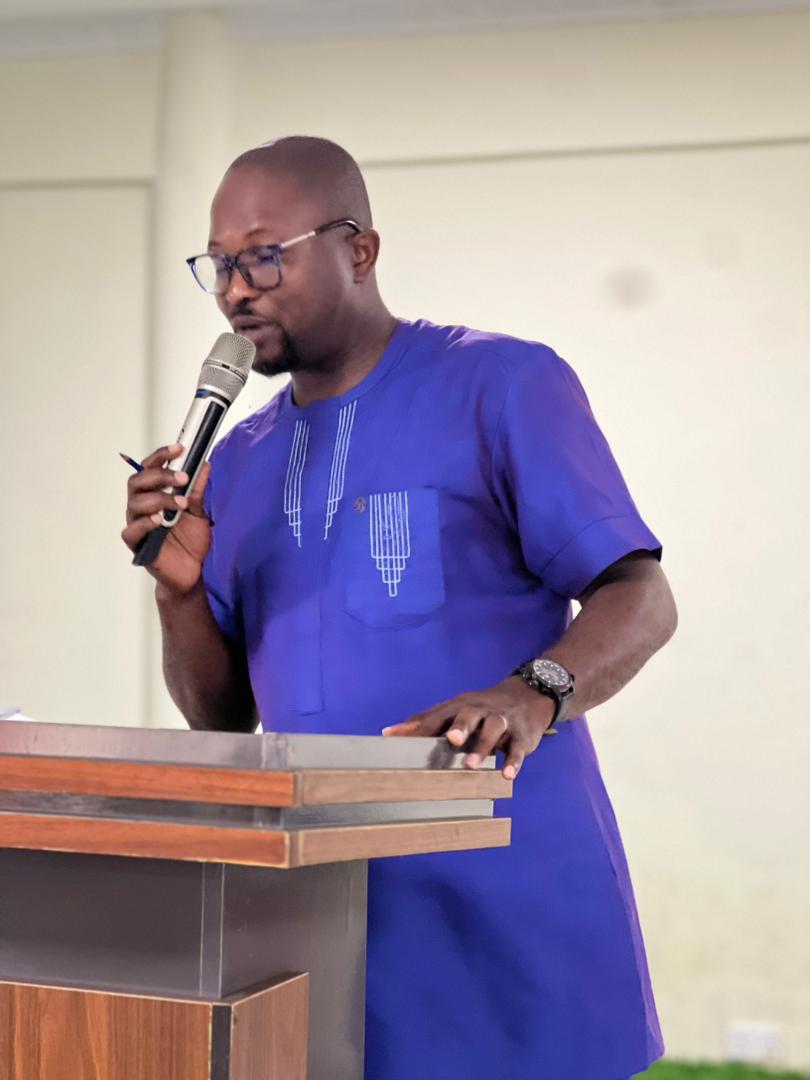
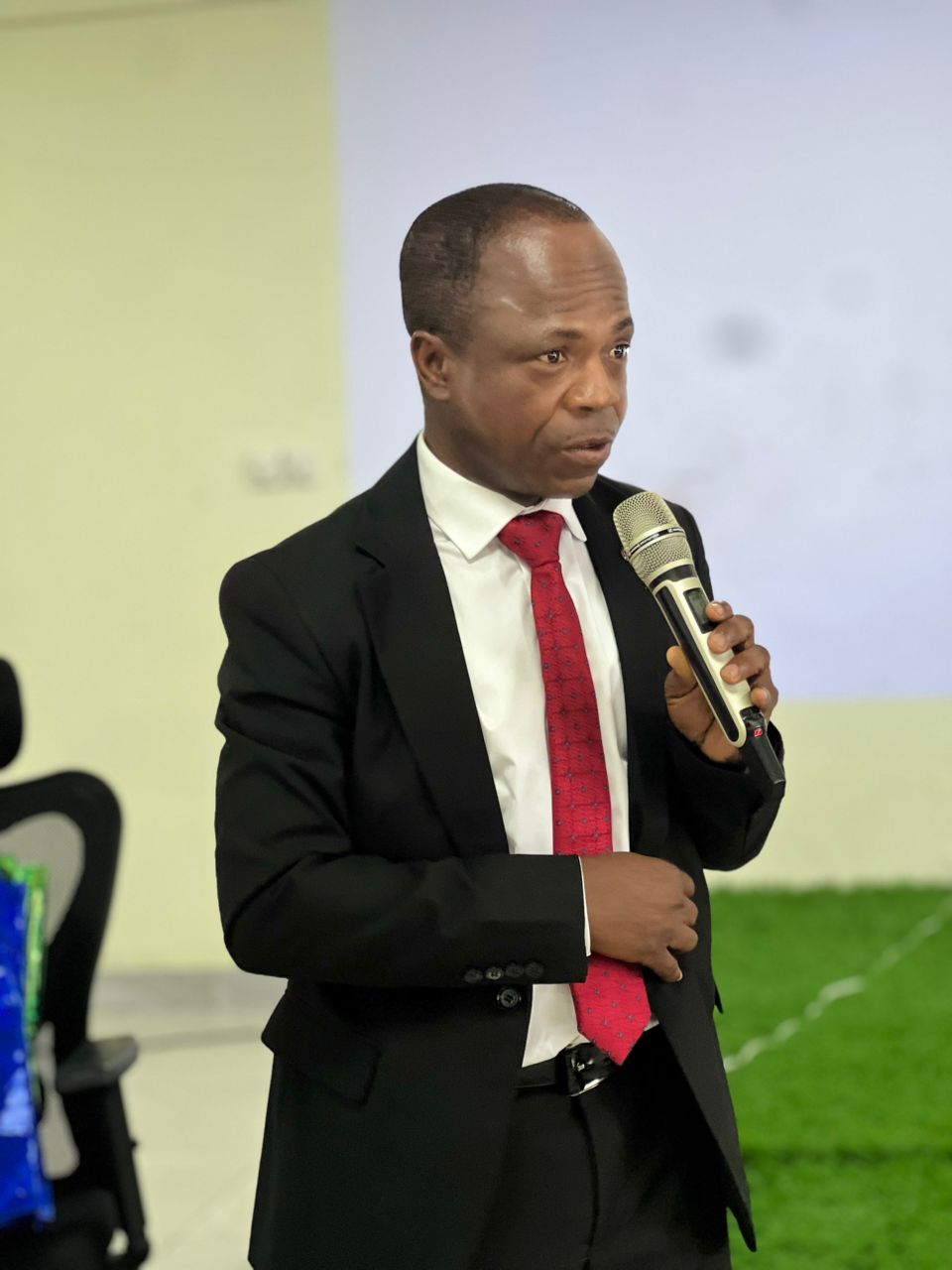
A presentation was delivered by the Regional Economic Development Planning Officer, Mr. Jacob Adade Ntiamoah, who provided an overview of the Ahafo Region, highlighting its development potential, socio economic characteristics and key sectors driving growth. He spoke on regional development planning challenges and opportunities as well as the status of the Regional Integrated Development Plan. Mr. Ntiamoah outlined several key challenges confronting the region, including the weak infrastructure base such as poor road networks, the absence of a regional hospital and airport, and the need to create more employment opportunities for the youth. He further noted the inadequate and delayed release of funds for the implementation of action plans, the high cost of rent and limited access to internet services which contributes to weak telephone networks across parts of the region. Other challenges identified included the non-completion of the Regional Spatial Development Framework (SDF), limited data management systems for planning and decision-making, illegal logging of timber, and illegal mining activities in some communities.
Despite these challenges, Mr. Ntiamoah highlighted numerous development opportunities for the region. These include ongoing and planned infrastructure projects such as road networks, irrigation facilities, a university, a regional hospital, a regional convention centre, an airport, and urban redevelopment and renewal initiatives. He also noted the increasing number of public and private institutions, improvements in government policy and funding environments, and growing participation of development partners—especially in the WASH sector.
Furthermore, the region benefits from high levels of cooperation from the private sector, such as Newmont Ghana Limited, the availability of skilled and unskilled manpower, an estimated 2,600 km² of arable land, and relative peace and security—all of which provide a strong foundation for accelerated socio-economic growth.
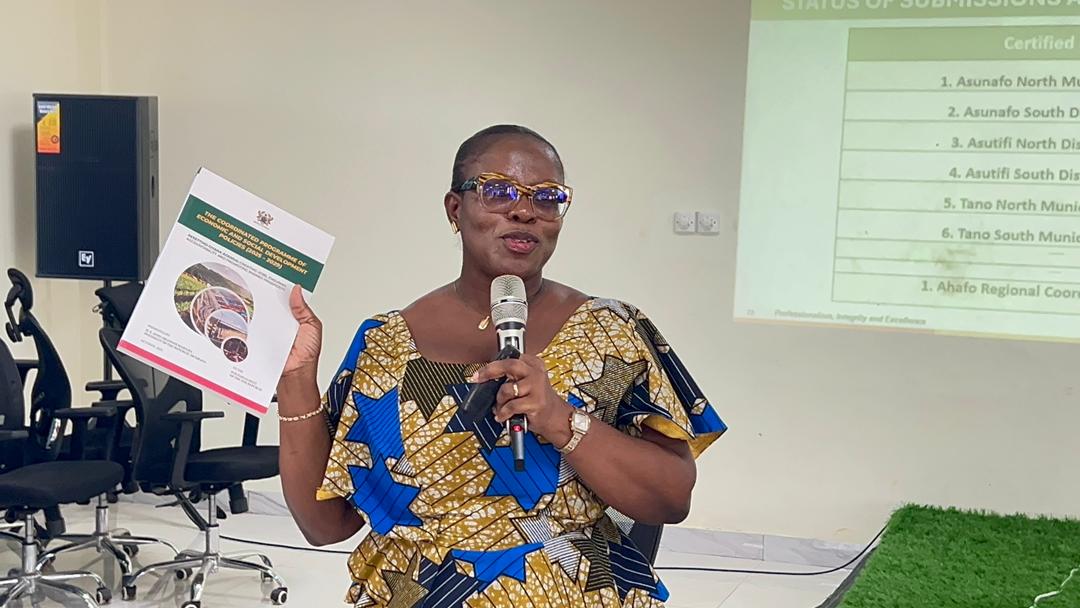
Following this, Dr. Audery Smock Amoah, Director-General of NDPC, delivered a presentation on plan preparation, annual progress reports and the Regional Integrated Development Plan (RIDP). Dr. Amoah emphasized the importance of aligning district and regional plans with national development priorities to ensure coherence in planning and effective resource utilization. She highlighted the role of Annual Progress Reports in tracking implementation, monitoring outcomes, and informing adjustments to development strategies. She also discussed the status of the RIDP, providing guidance on how assemblies can contribute to its successful execution while integrating local priorities and data-driven decision-making into the planning process.
The programme concluded with a final presentation by Dr. Nii Moi Thompson, Chairman of NDPC, who spoke on the preparation of a consolidated long-term National Development Plan. Dr. Thompson emphasized the significance of harmonizing regional and district development initiatives with national priorities to create a cohesive, long-term vision for the country. He outlined the processes for consolidating local and regional plans into a national framework and stressed the need for coordination, stakeholder engagement, and evidence-based decision-making to ensure the plan effectively drives sustainable socio-economic transformation.
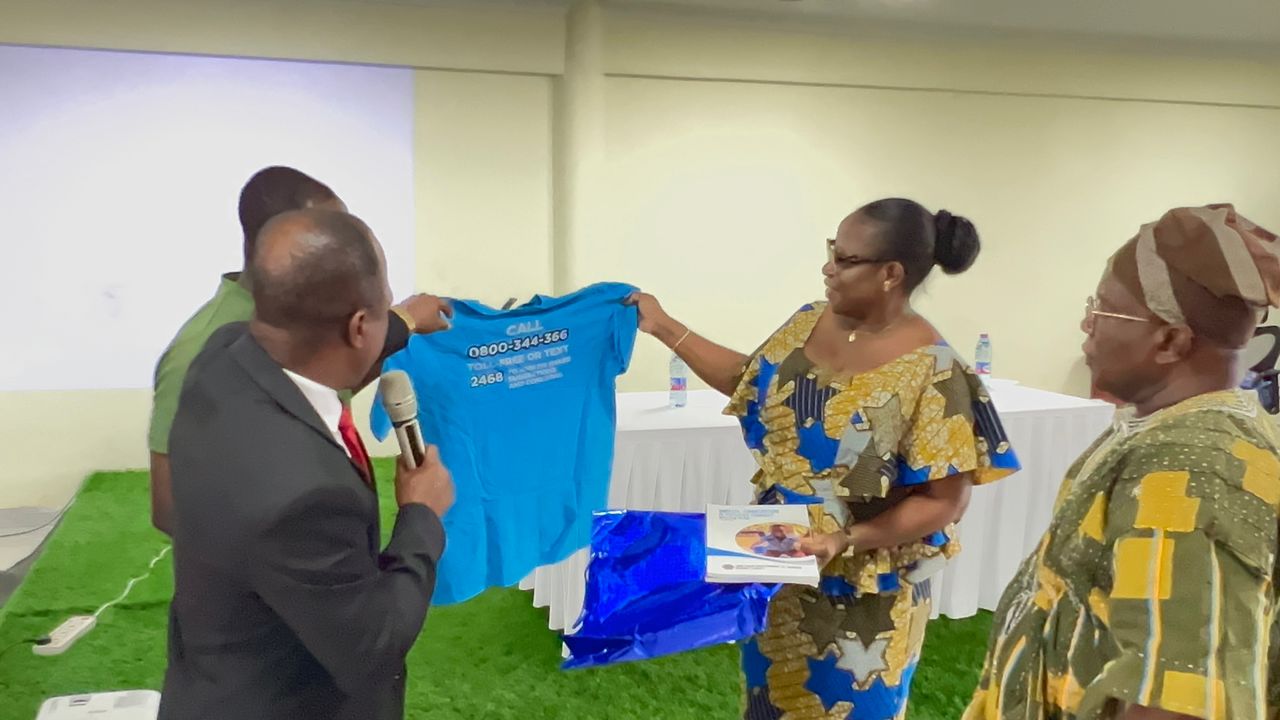
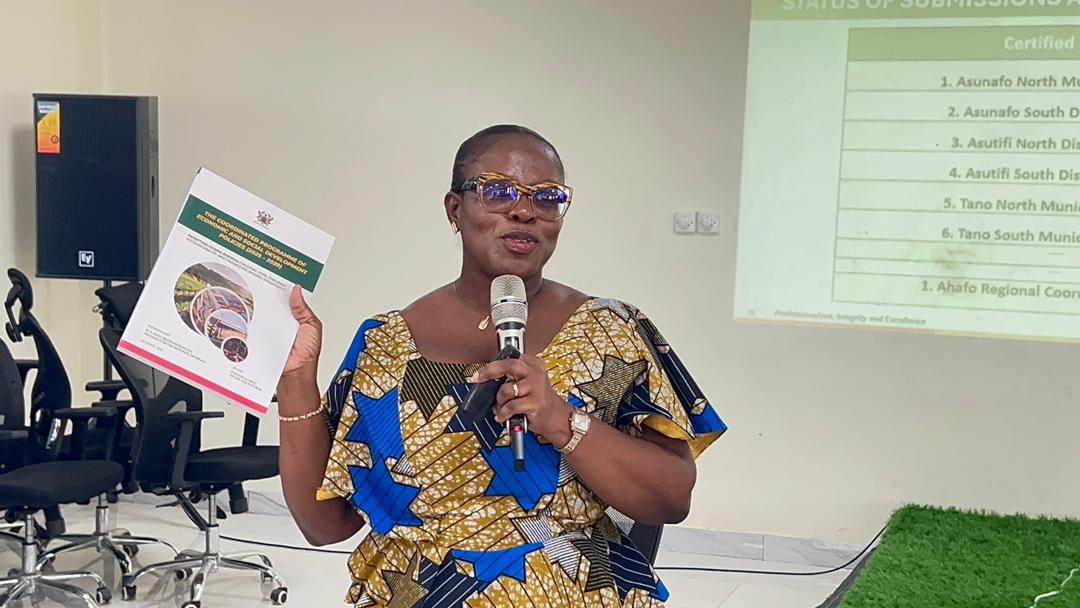
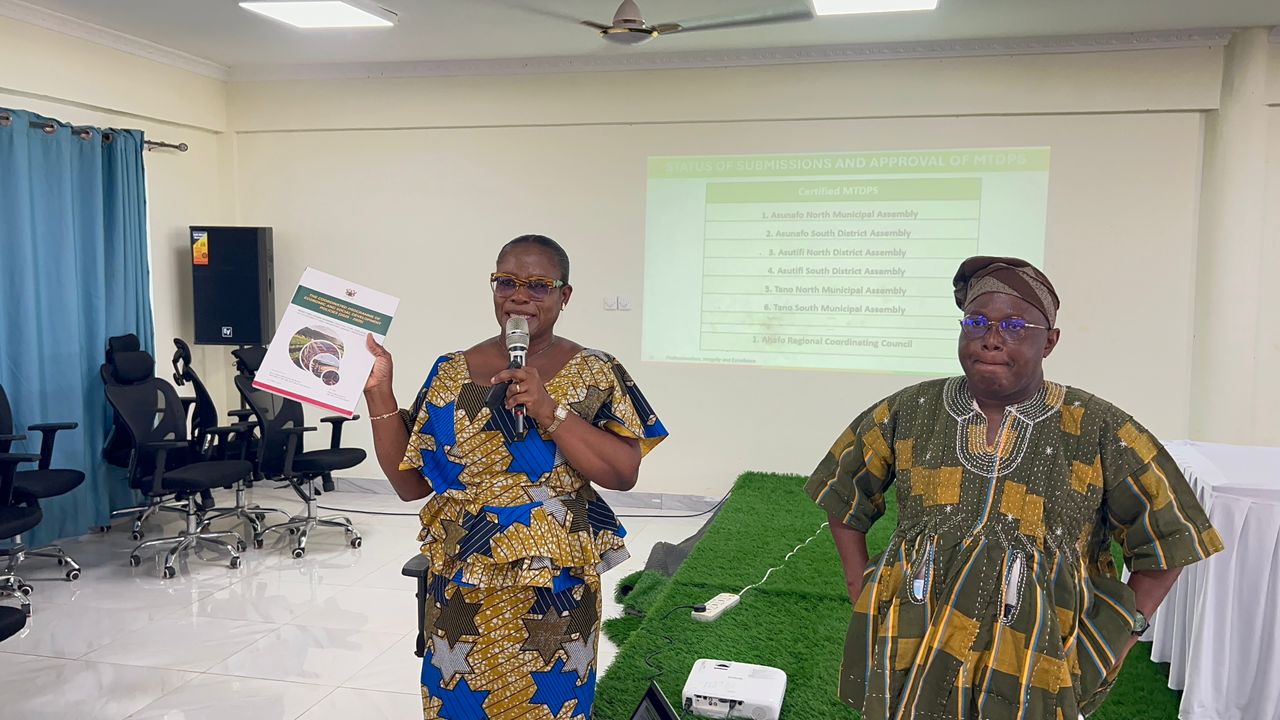
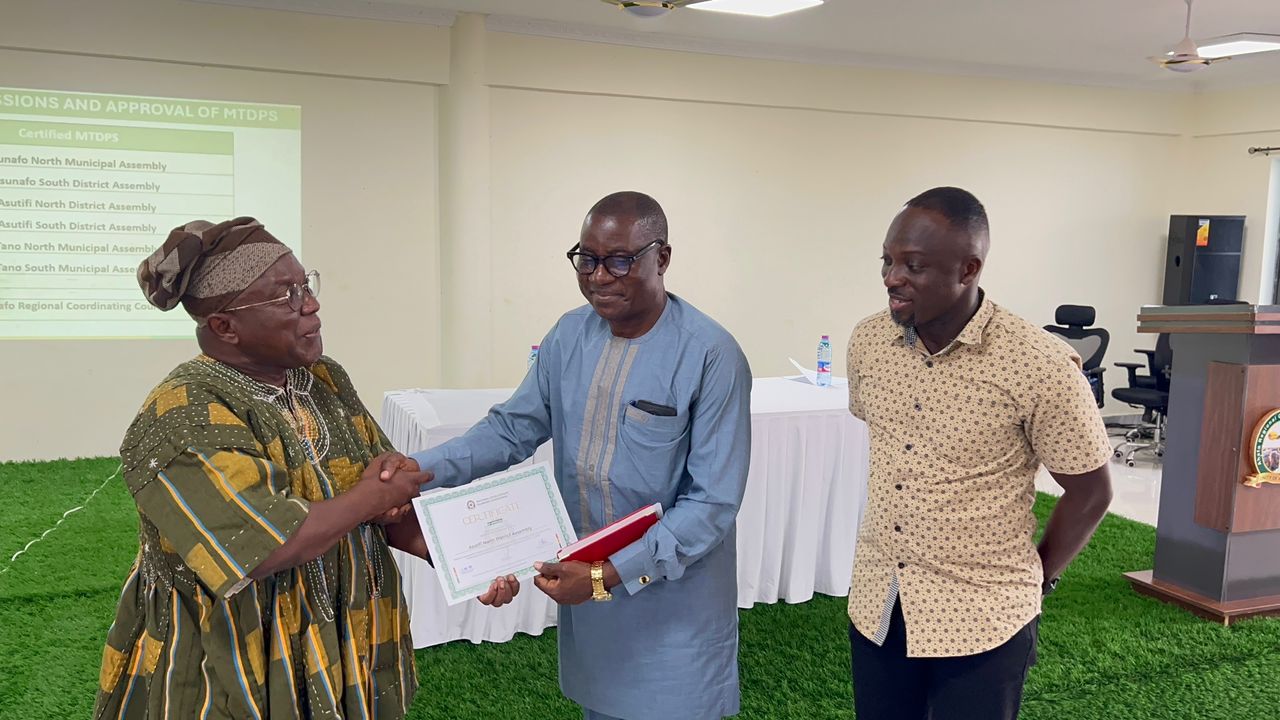
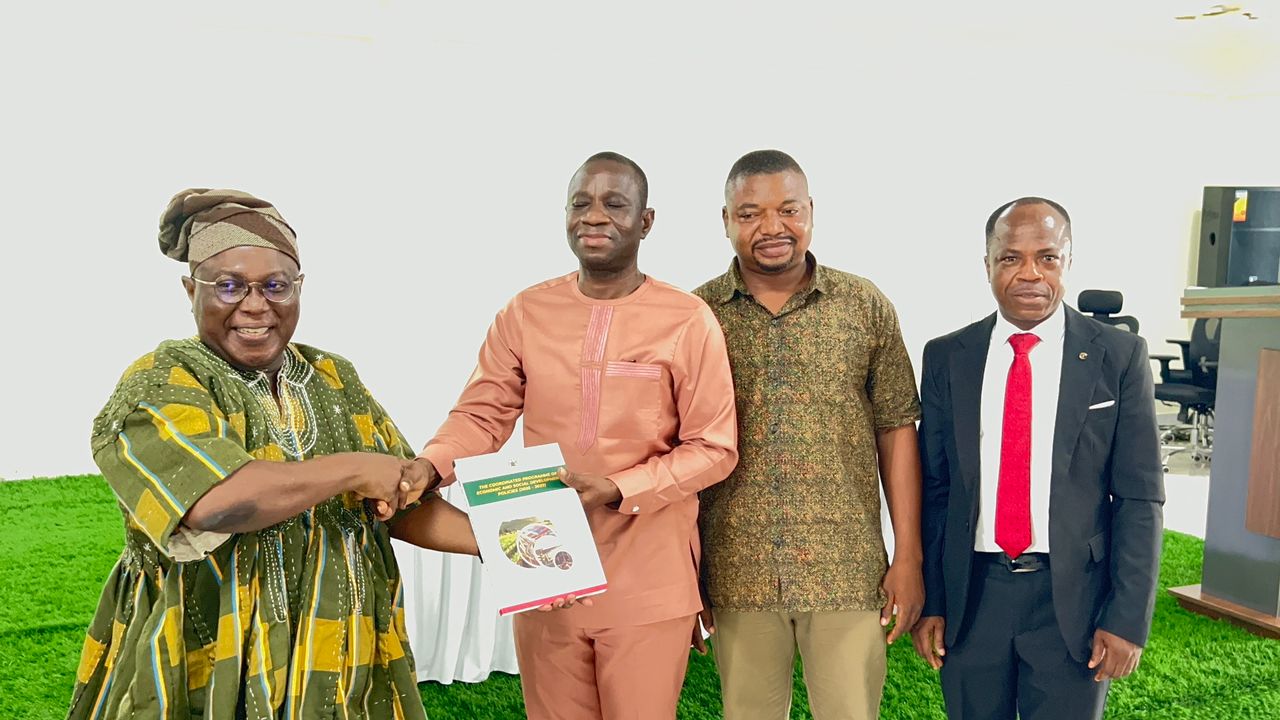
In a special segment of the programme, certificates were presented to assemblies for their approved development plans, recognizing their efforts in aligning local initiatives with national development priorities. The presentation of certificates served as an incentive for assemblies to continue adhering to best practices in planning and
implementation.
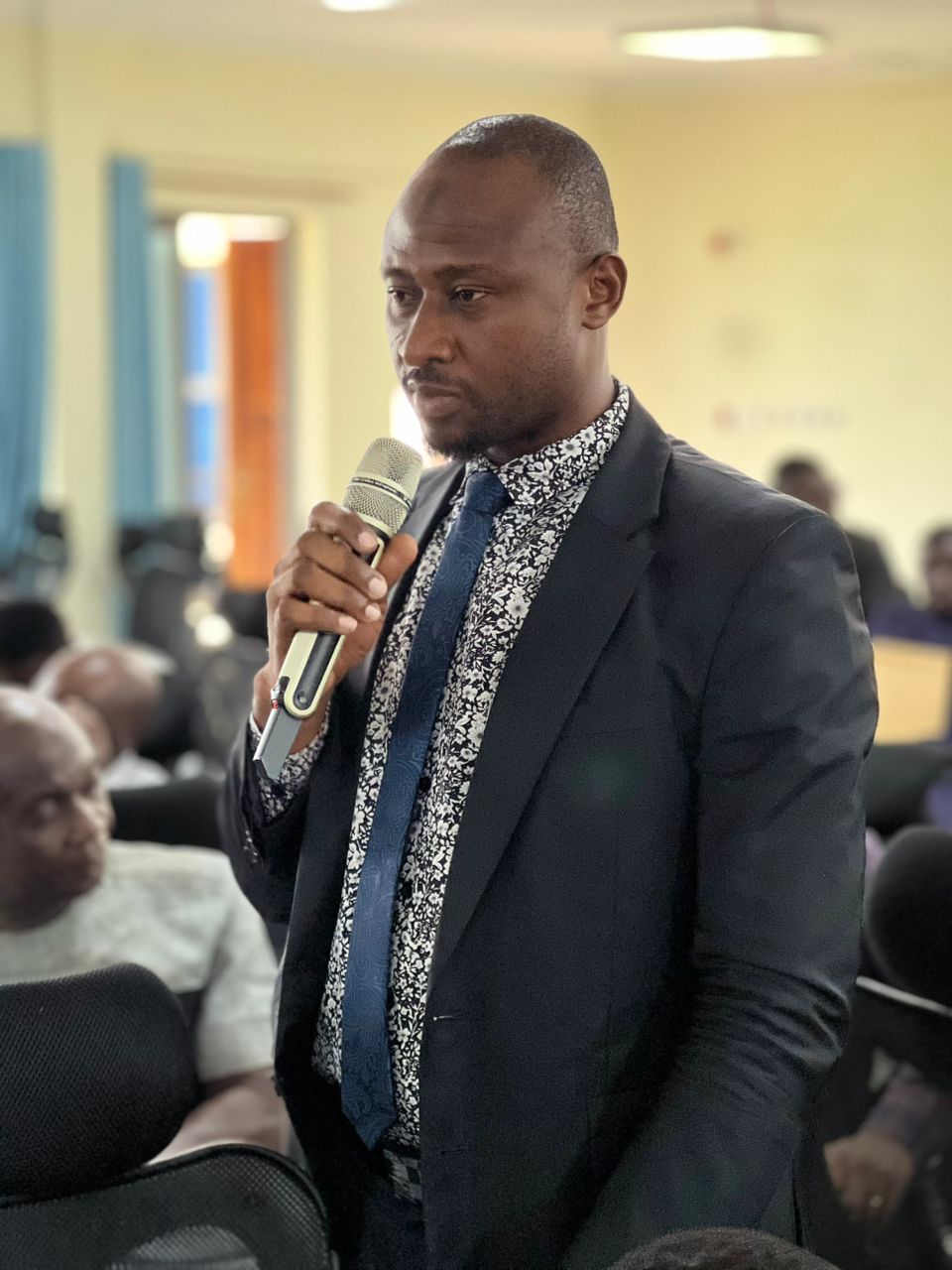
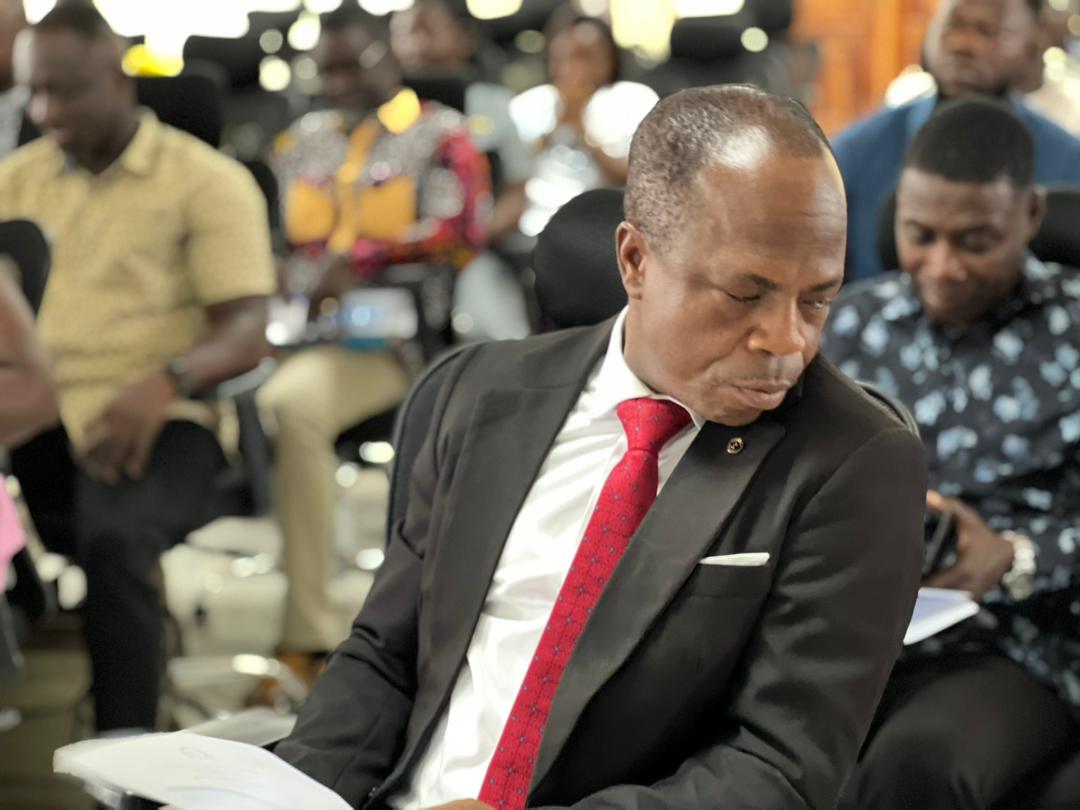
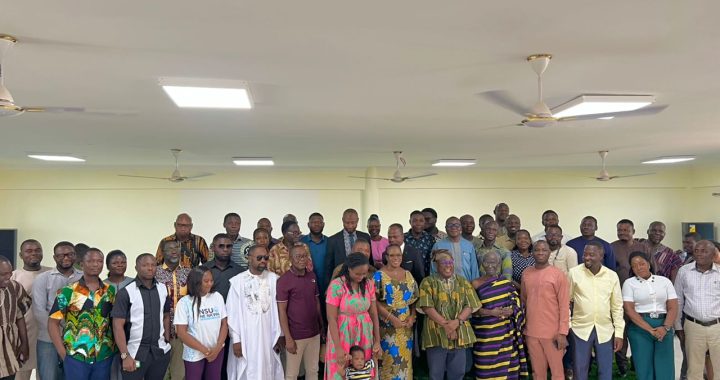
The engagement brought together key regional and district planning officers, heads of departments and relevant stakeholders to deliberate on strategies aimed at enhancing effective planning, monitoring, and implementation of development initiatives across the region. Officials from NDPC encouraged the assemblies to prioritize projects that respond directly to the socio-economic needs of their communities, enhance stakeholder participation, promote transparency, and ensure efficient utilization of resources to achieve sustainable development outcomes.
In his closing remarks on behalf of the Ahafo Regional Minister, the Chief Director of the Ahafo RCC, Mr. Joseph Frimpong Naayo, thanked the NDPC for the successful engagement and the valuable guidance shared with the region.
He expressed appreciation to all participants for their active participation and contributions, noting that the discussions would help improve development planning and implementation across the region. He assured the NDPC of the RCC and MDAs’ commitment to apply the knowledge gained and strengthen collaboration to achieve the region’s development goals. The meeting reaffirmed the commitment of NDPC, the Ahafo RCC, and the MDAs to work collaboratively
towards achieving inclusive growth and accelerated development in the region. The engagement is expected to further strengthen planning capacity and improve the delivery of development projects for the benefit of the people of Ahafo.