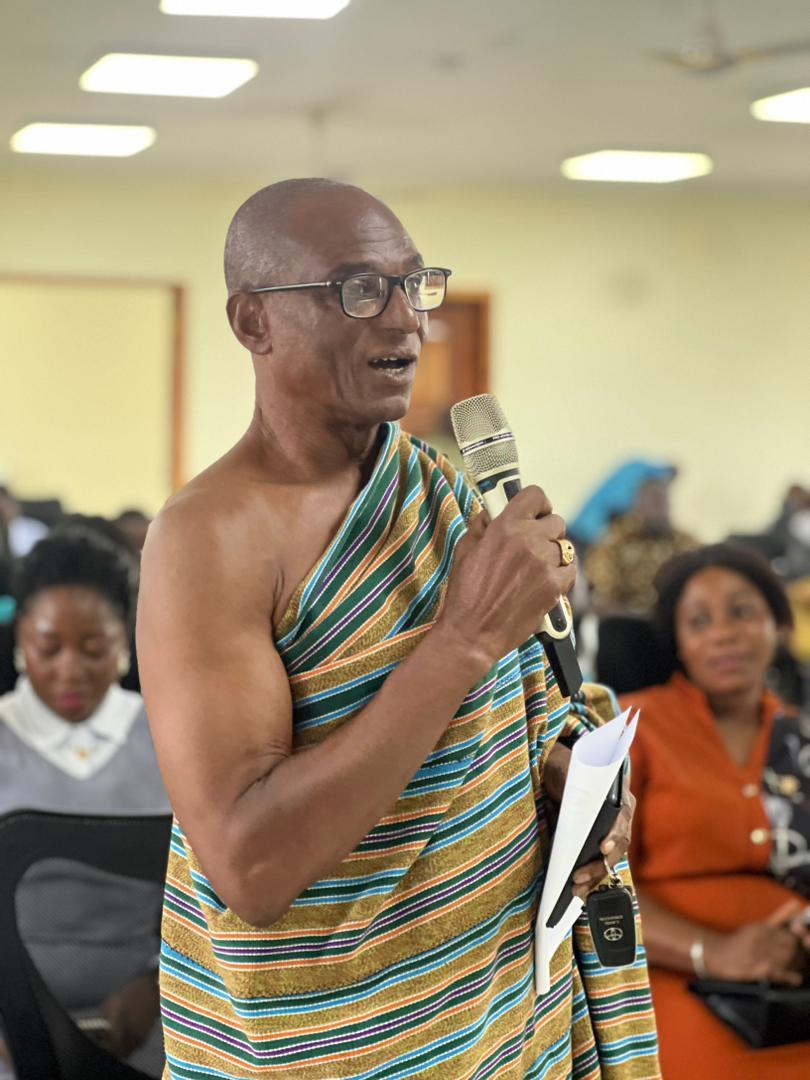
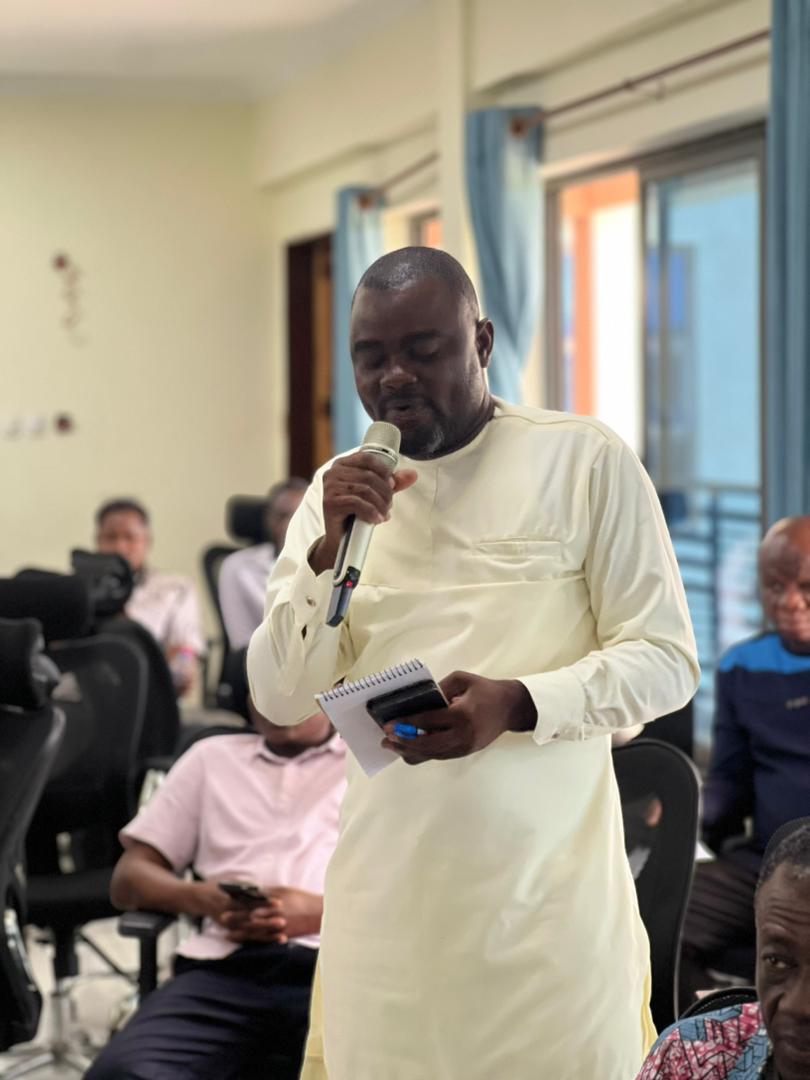
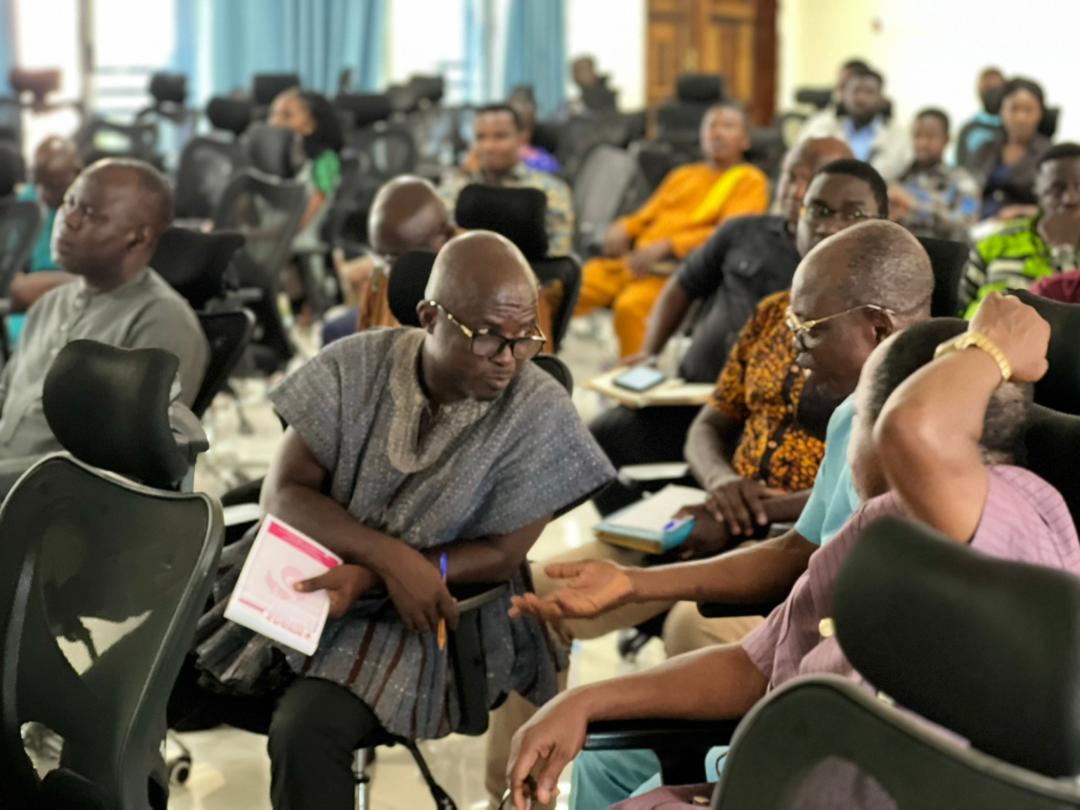
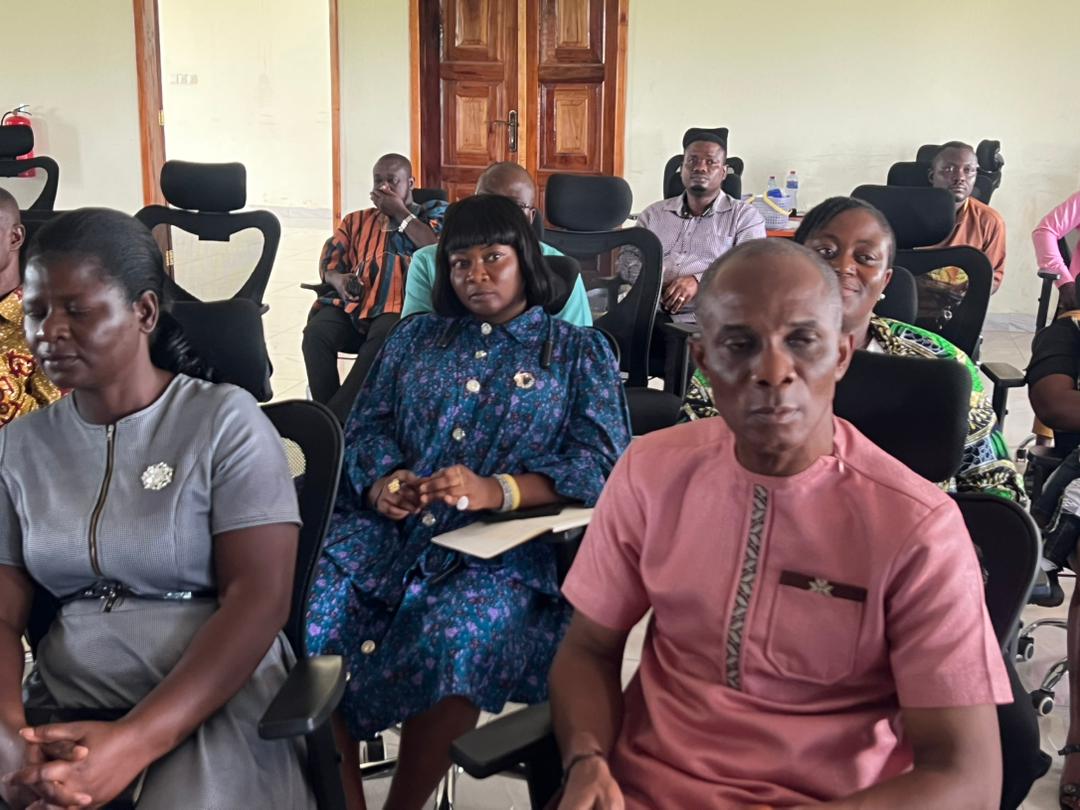
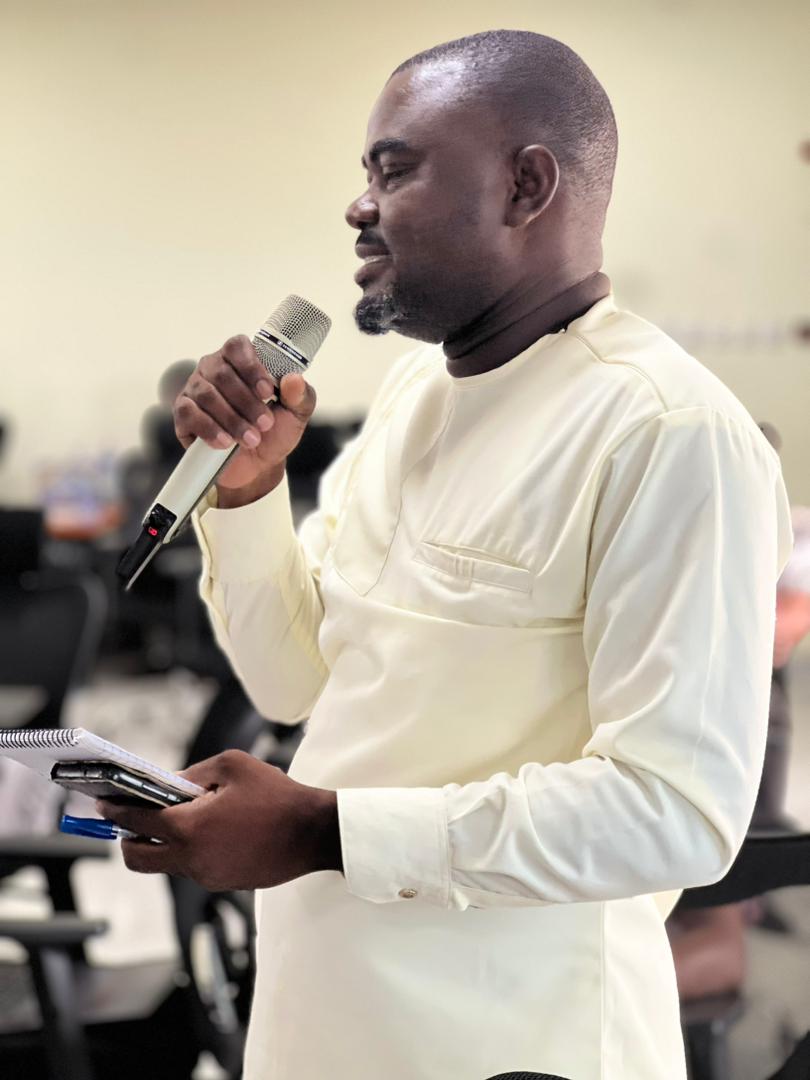
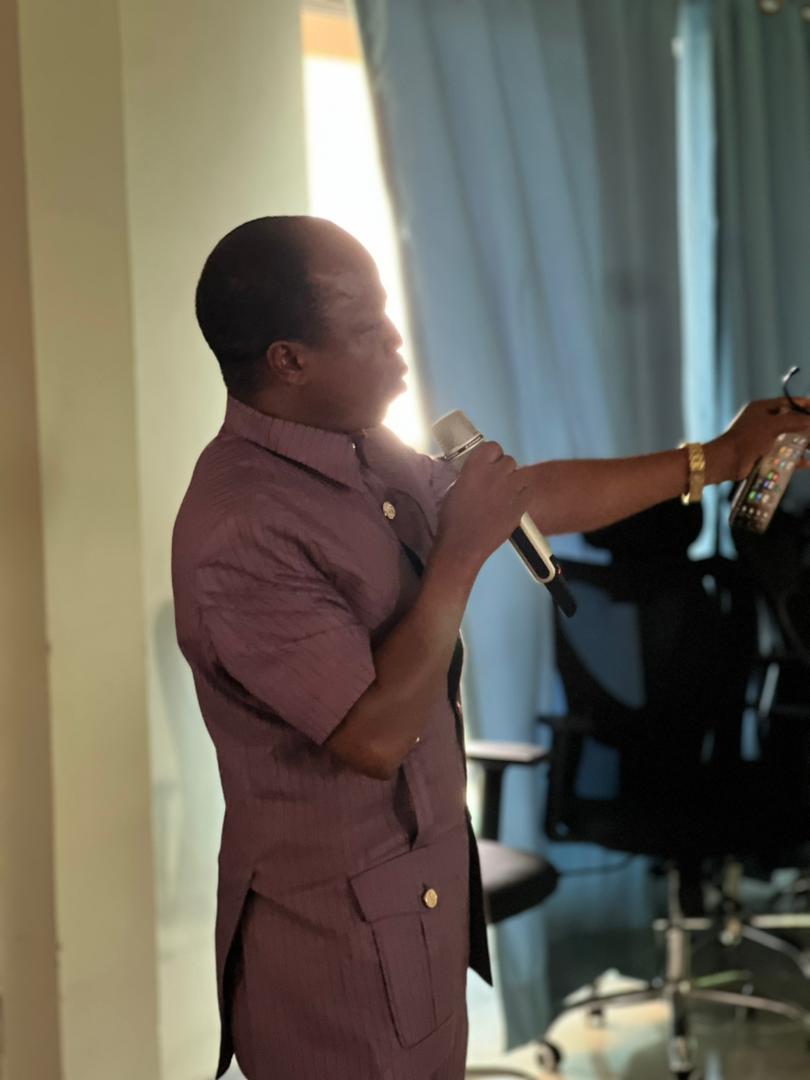
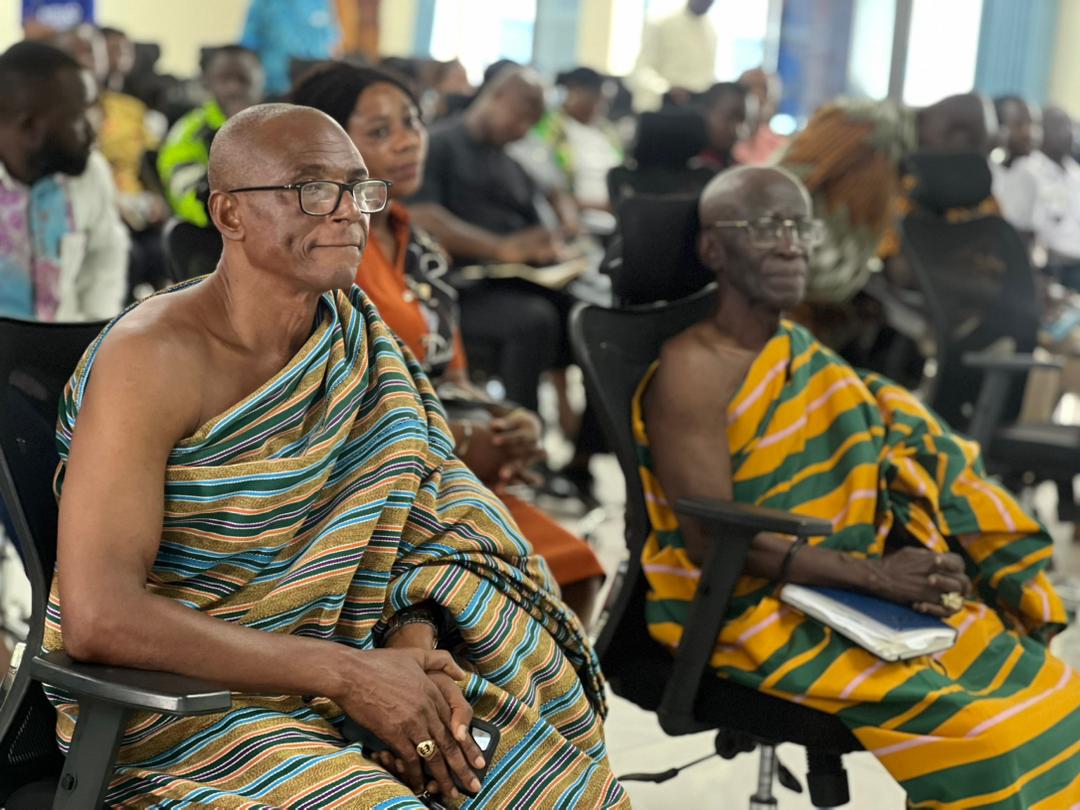
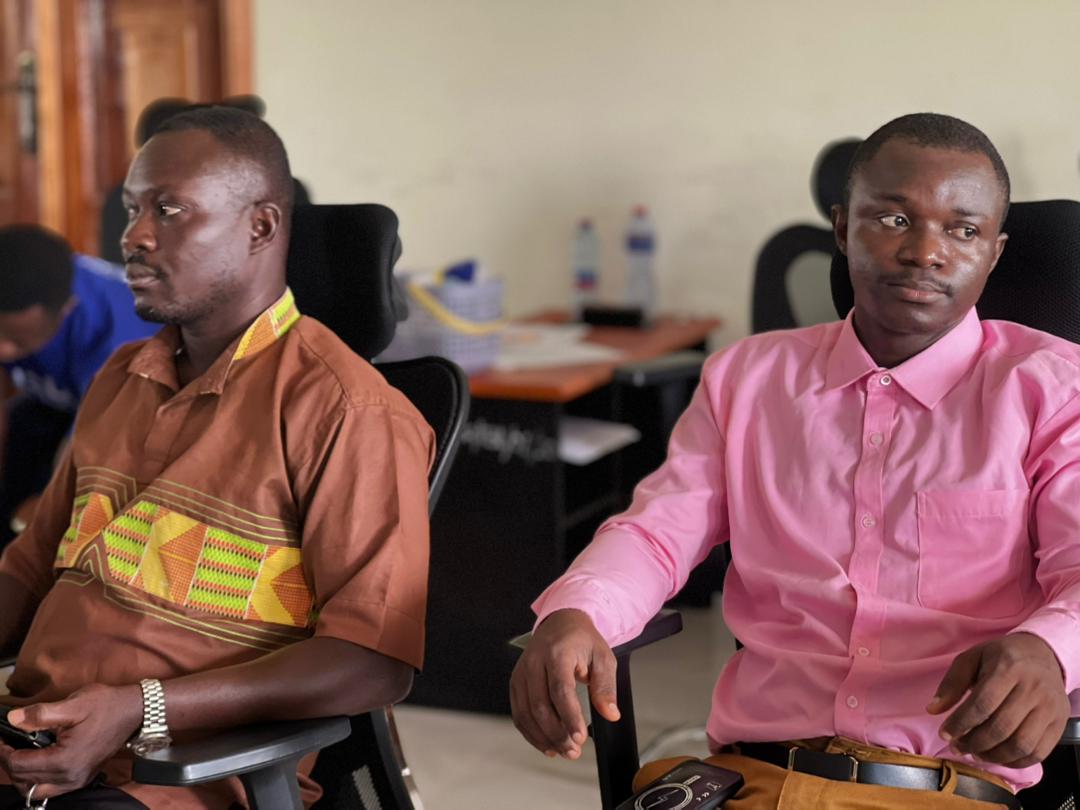
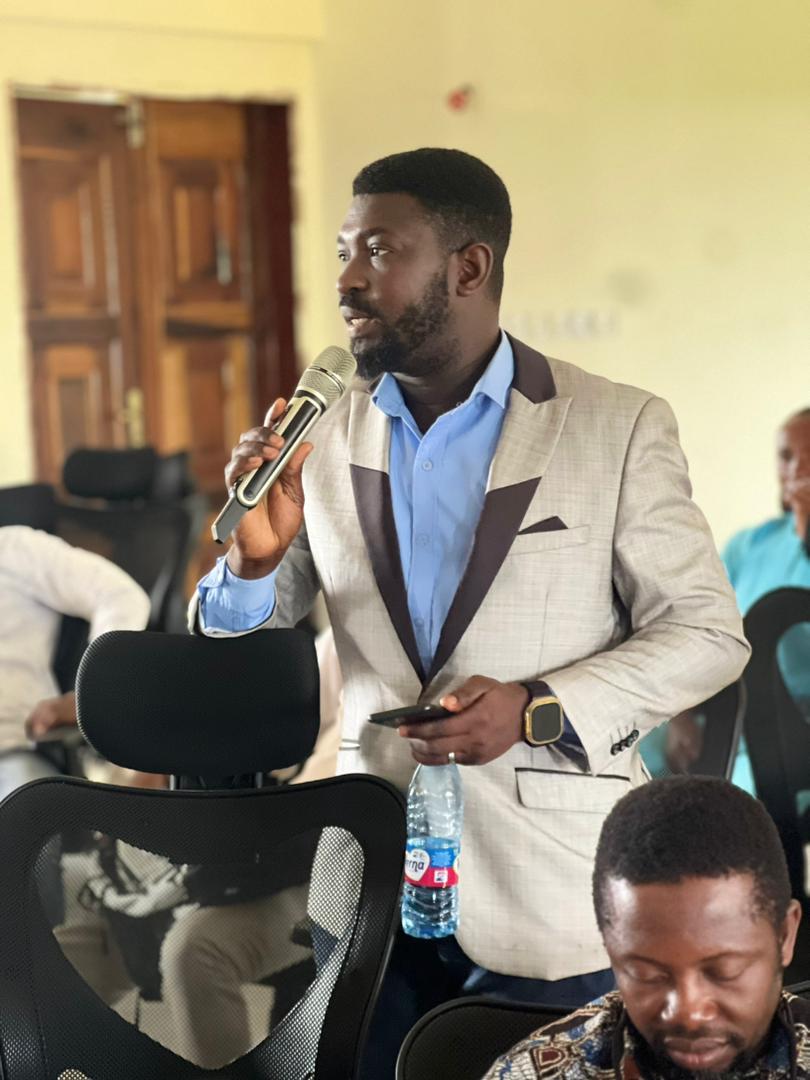
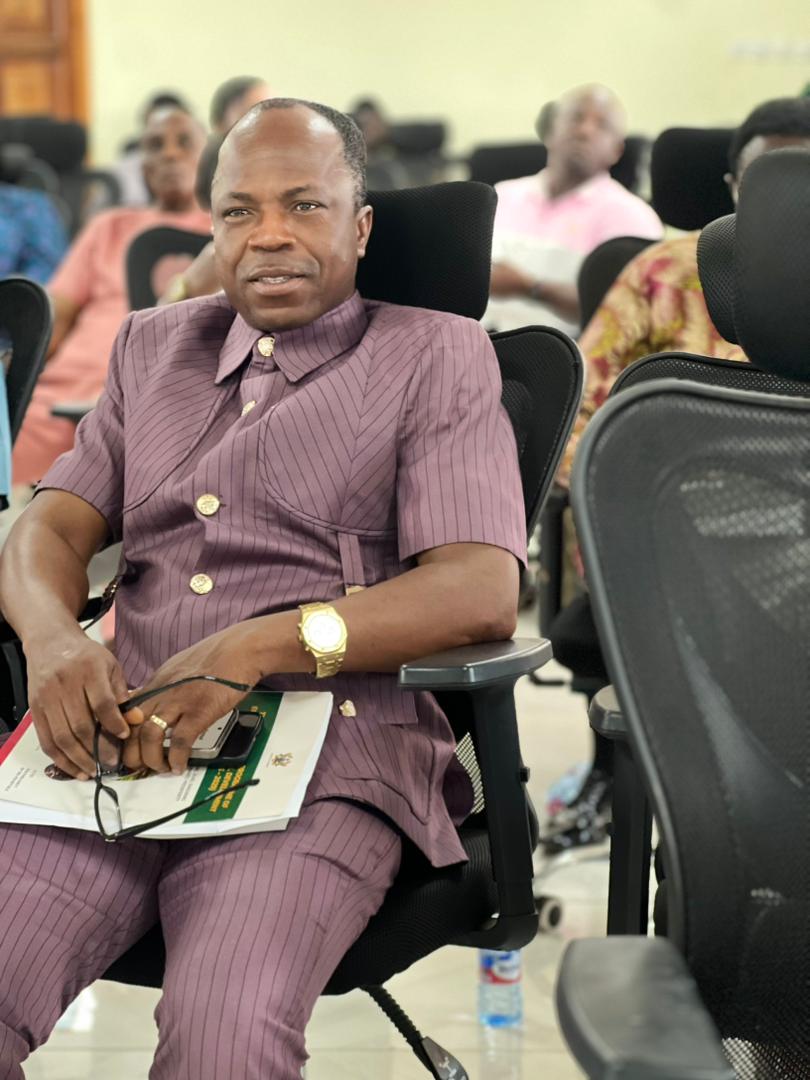
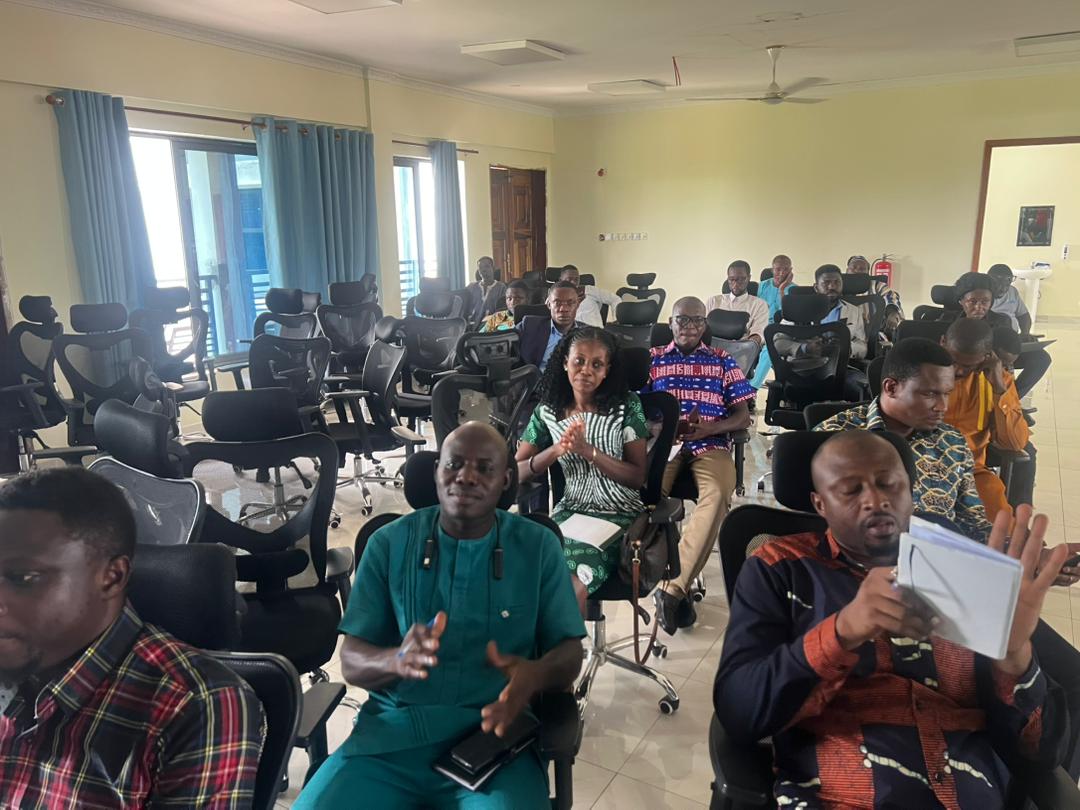
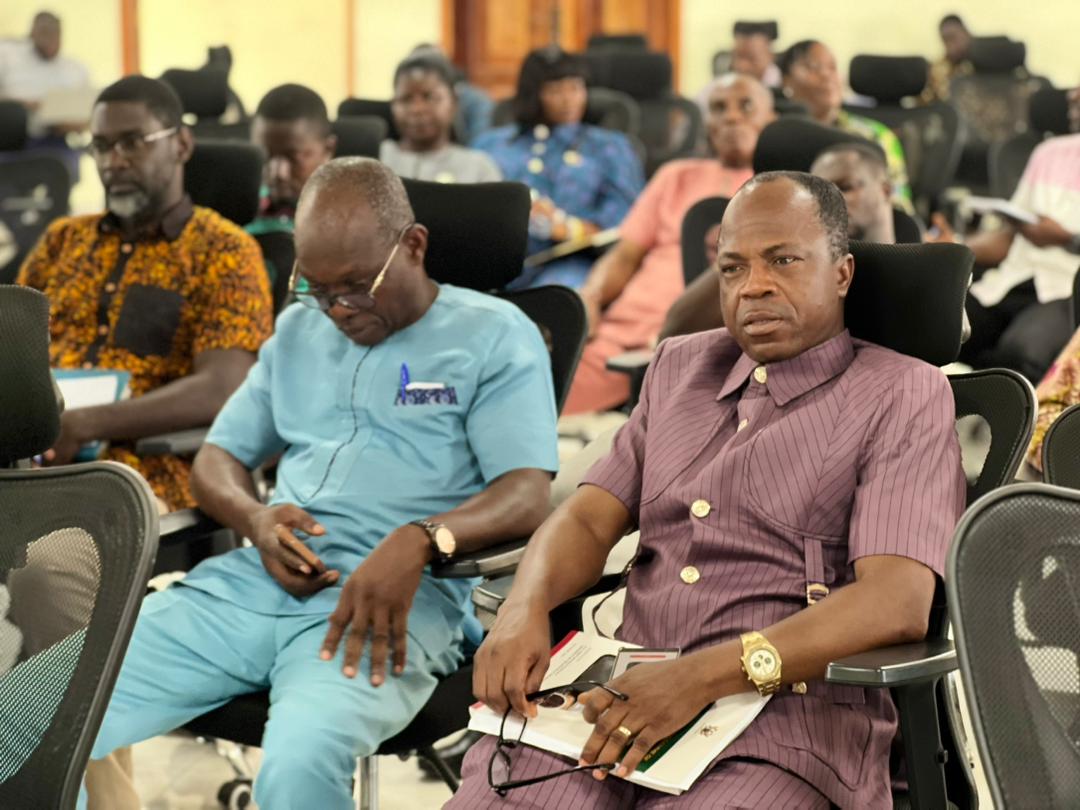
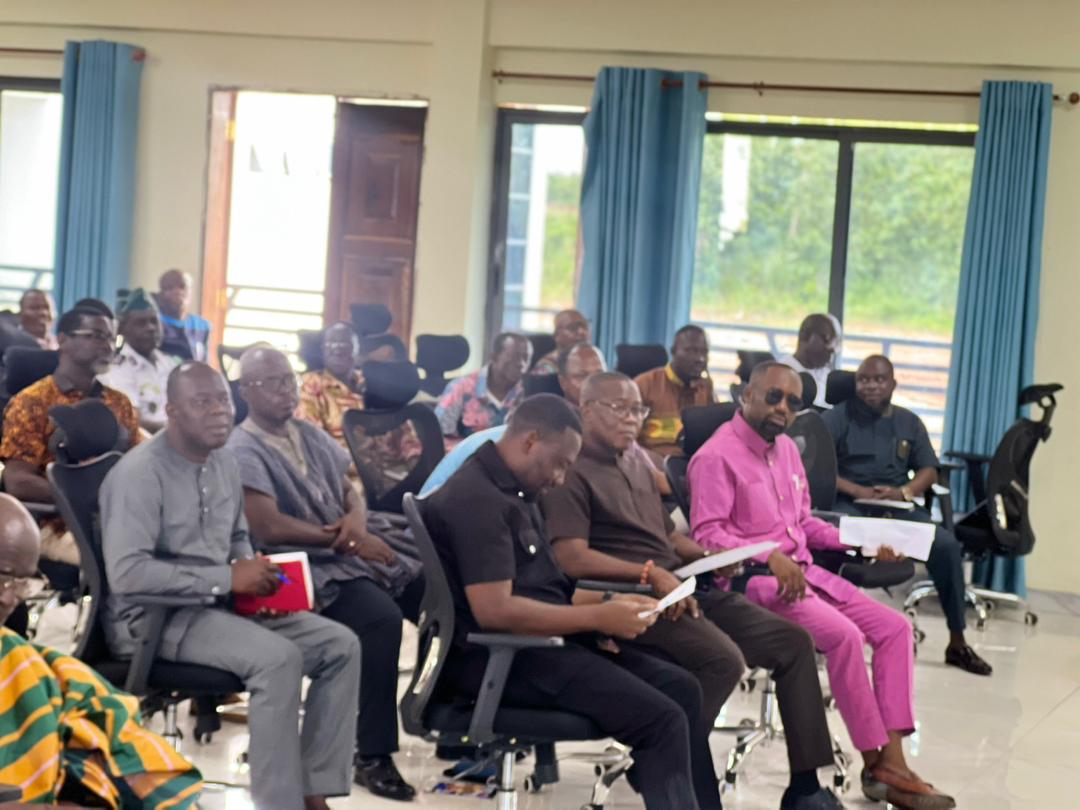
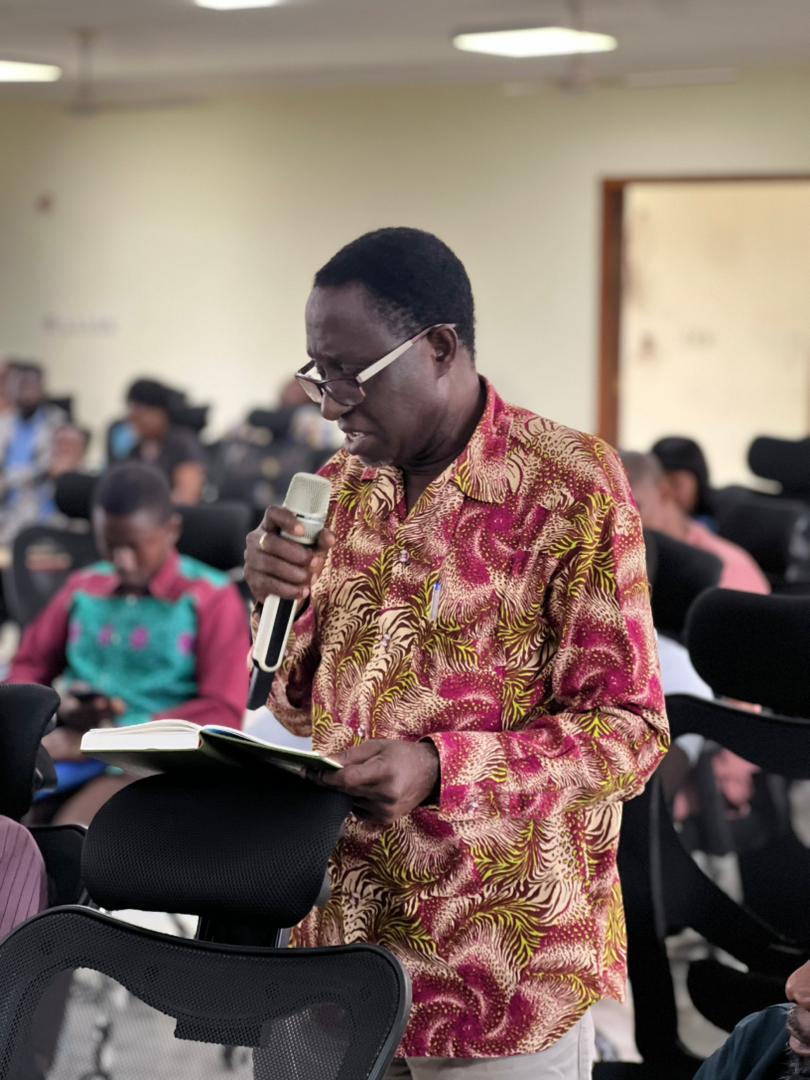
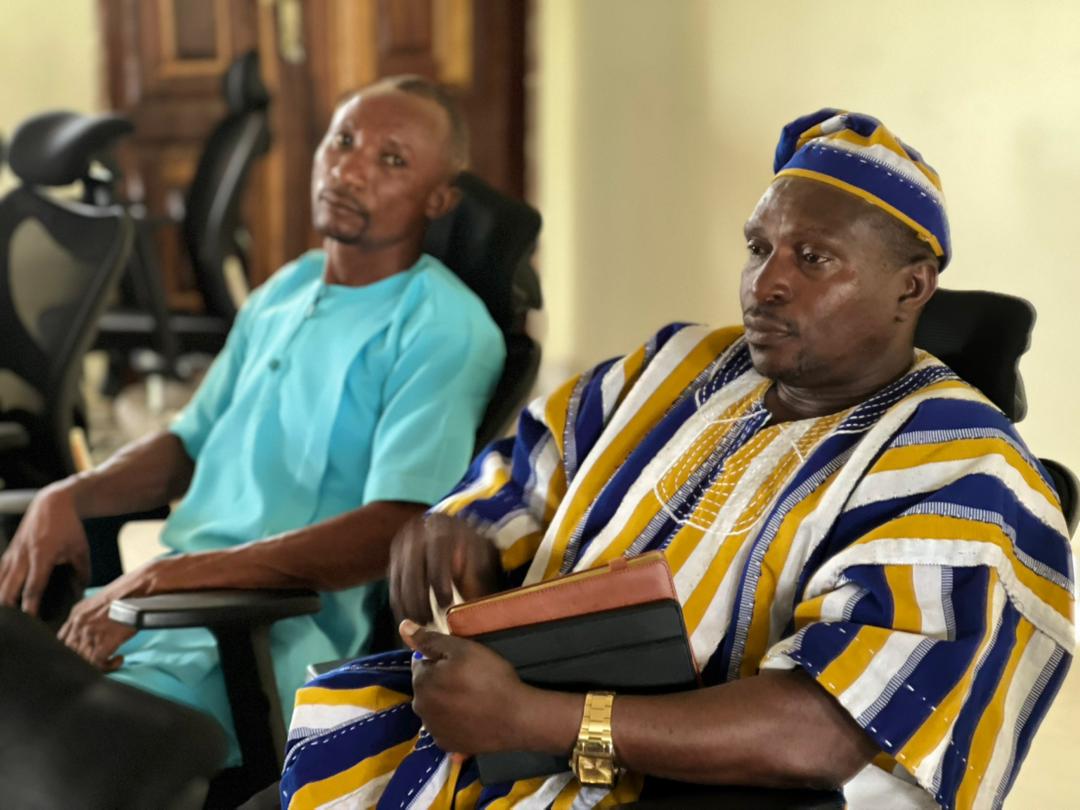
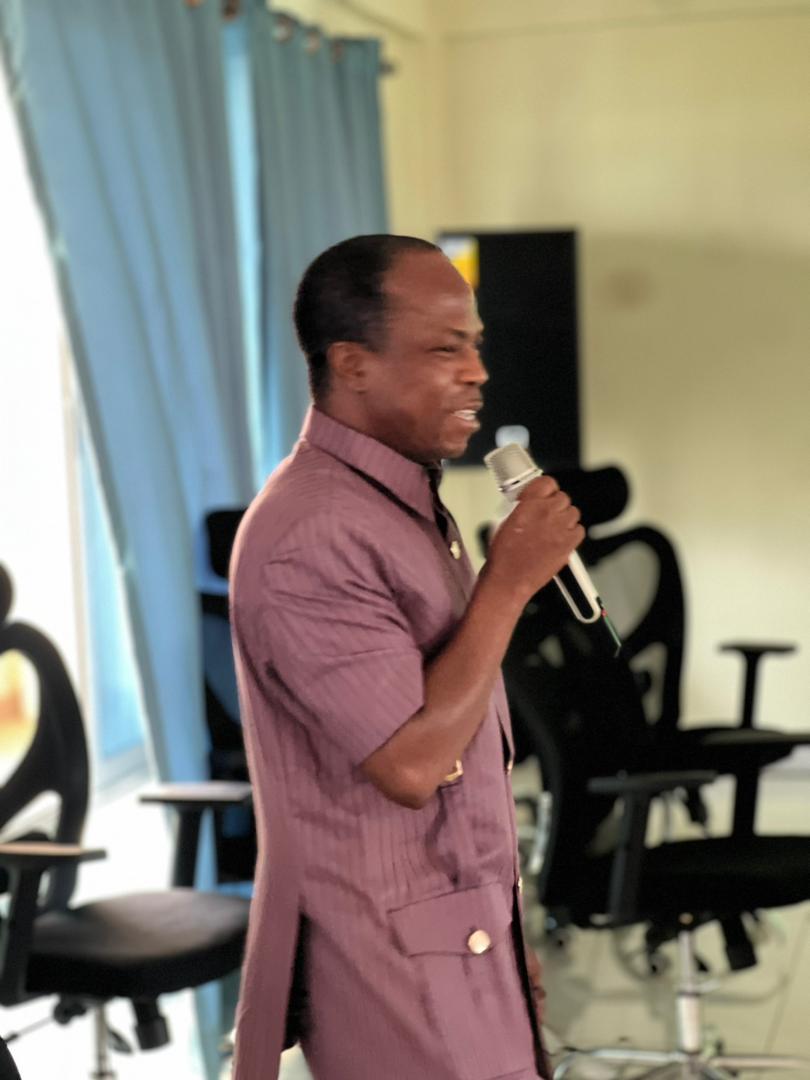
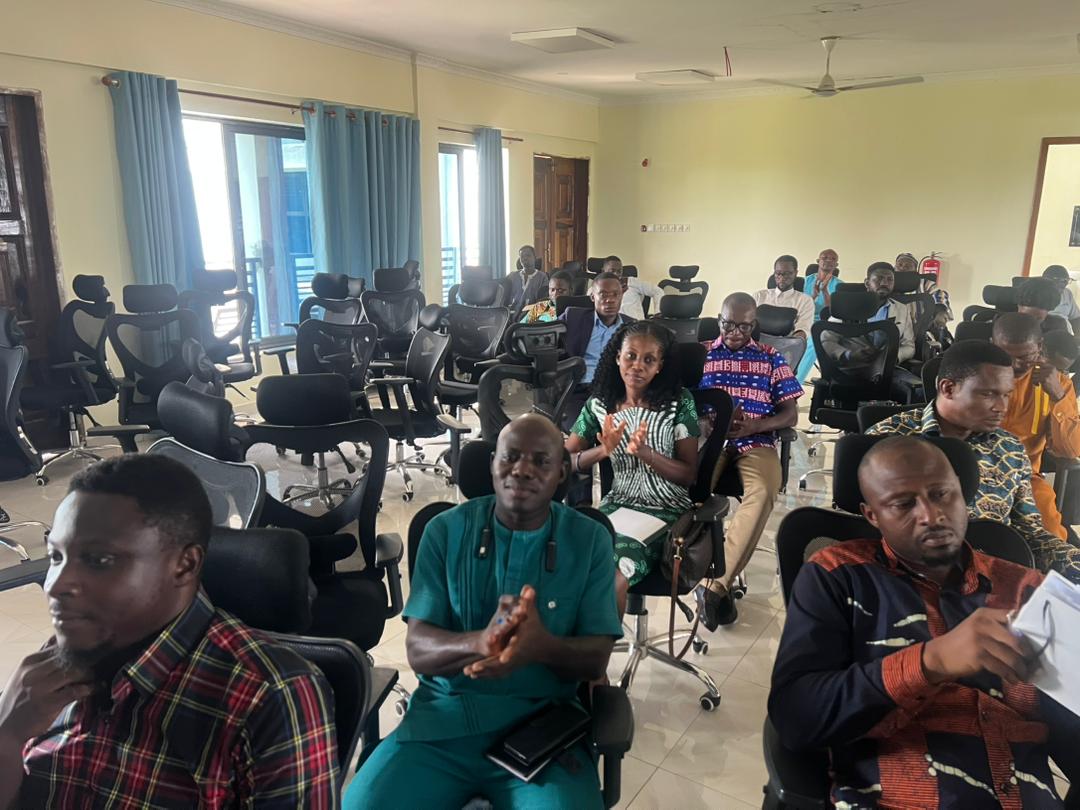
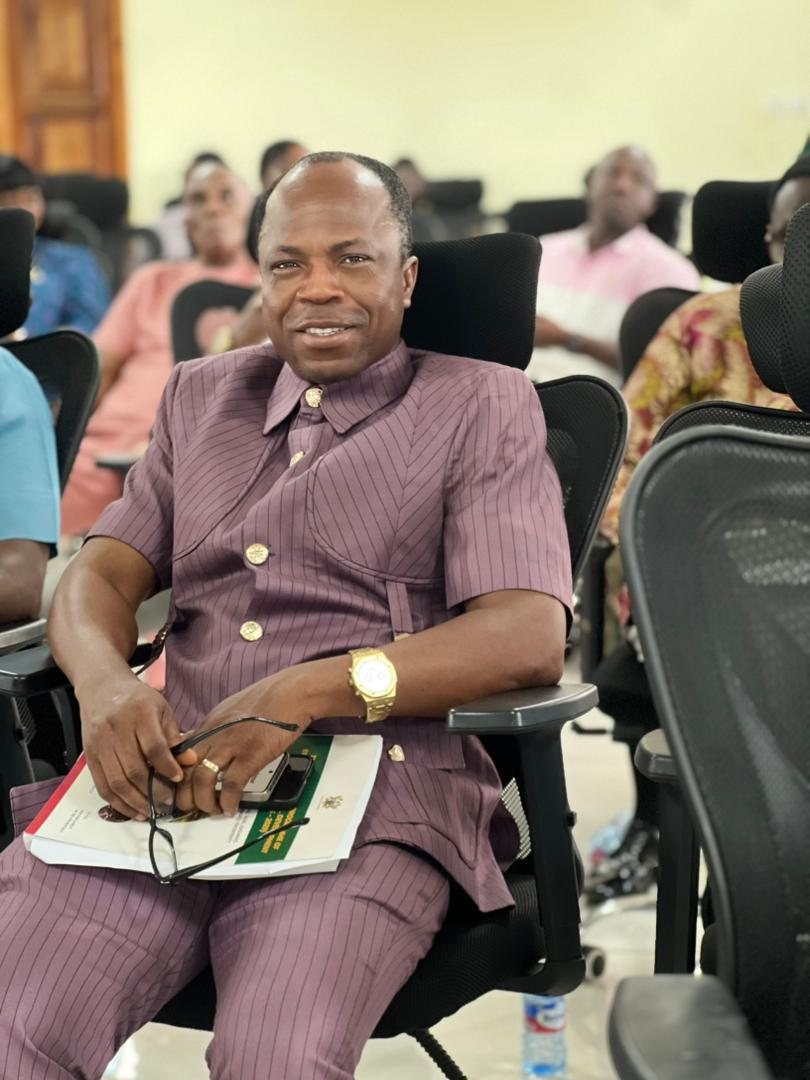
The Ahafo Regional Minister, Hon. (Mrs.) Charity Gardiner, on Thursday, April 9, 2026, led the Ahafo Regional Co-ordinating Council (RCC) to hold a Strategic Plan Implementation Workshop at the RCC Conference Room to strengthen the execution of the region’s development agenda and improve service delivery. Delivering the welcome address, the Chief Director of the Ahafo RCC, Mr. Joseph Frimpong Naayo, expressed appreciation to participants for honoring the invitation and demonstrating commitment to the region’s development. He noted that the workshop was a crucial step toward ensuring that the RCC’s strategic plan is effectively implemented to achieve tangible results.
Mr. Naayo further outlined the purpose of the meeting, announcing that all the District Assemblies have successfully received certification for their Medium-Term Development Plans (MTDPs), which will serve as the guiding framework for development activities over the next four years. He noted that the workshop was therefore necessary to ensure that all institutions clearly understand the implementation arrangements, align their programmes and budgets with the approved plans and work in a co-ordinated manner to achieve the desired
development outcomes.
In her opening address, Hon. (Mrs.) Charity Gardiner warmly welcomed all participants to the meeting and thanked them for their commitment to supporting the development of the Ahafo Region. She emphasized the importance of translating the region’s strategic plan into concrete and measurable results that will improve the living conditions of the people of Ahafo. She noted that planning alone is not enough, and that the real impact of governance is felt only when plans are effectively implemented.
Hon. Mrs. Gardiner further referenced the Local Governance Act, 2016 (Act 936), stressing that the Act mandates effective planning, co-ordination, monitoring and evaluation of development programmes at the regional and district levels. She explained that the workshop was therefore in line with the legal responsibility of the RCC and MMDAs to ensure proper implementation of approved plans and to promote accountable and responsive local governance.
The Minister further noted that both the RCC and the Metropolitan, Municipal and District Assemblies (MMDAs) now have their respective Medium-Term Development Plans (MTDPs), which have been duly approved and certified by the National Development Planning Commission (NDPC). She commended the Regional Planning Co-ordinating Unit (RPCU) for the critical role played in achieving this milestone, particularly the team under the leadership of Mr. Jacob Adade Ntiamoah, the Regional Economic Development Planning Officer, describing their effort as a “yeoman’s job” in ensuring the successful preparation and certification of the plans.
Mr. Jacob Adade Ntiamoah, the Ahafo Regional Economic Development Planning Officer in a presentation on the implementation strategies for the 2026–2029 MTDP, highlighted factors affecting implementation such as inadequate funding, capacity constraints, clear road map for implementation, compliance with PFM regulations, effective involvement of citizenery in plan implementation and data challenges. He proposed strategies including alignment of district plans with the regional framework, timely preparation of annual action plans, integration of priorities into budgeting, strengthened monitoring and evaluation systems, and enhanced stakeholder collaboration. He concluded by calling for discipline, coordination, and collective commitment to achieve the region’s development goals.
The workshop also featured presentations from the six District Assemblies on key impact projects under the various development dimensions of the 2026–2029 MTDP. The presentations covered four major development dimensions: Economic Development, Social Development, Governance and Institutional Development, and Environmental and Human Settlement.Each District Assembly showcased priority interventions and flagship projects under these thematic areas. In the economic development dimension, emphasis was placed on agriculture modernization, local economic development initiatives, and support for SMEs, and infrastructure to boost trade and productivity. The social development dimension focused on education, healthcare delivery, water and sanitation, and social protection interventions aimed at improving the well-being of citizens.
Under the governance and institutional development dimension, the districts highlighted efforts to strengthen local governance systems, improve revenue mobilization, enhance transparency, and build institutional capacity for effective service delivery. The environment and human settlement dimension covered sustainable land use planning, sanitation management, climate resilience initiatives, and improvements in settlement infrastructure.
In his closing remarks, Mr. Joseph Frimpong Naayo, Ahafo Regional Co-ordinating Director thanked participants for their active participation and valuable contributions. He urged all departments and District Assemblies to translate the lessons from the workshop into concrete actions, emphasizing teamwork, coordination and timely reporting. He expressed confidence that the outcomes of the workshop would strengthen implementation efforts and support the successful development of the Ahafo Region.
The workshop brought together key stakeholders, including representatives from RCC departments, Metropolitan, Municipal and District Assemblies (MMDAs), members of the Regional Planning Co-ordinating Unit (RPCU), and other development partners. Participants engaged in capacity-building sessions on planning, implementation, monitoring and performance assessment and described the workshop as timely and essential for improving development outcomes in the Ahafo Region.